Vă garantăm ca veţi primi cel mai mic preţ. Dacă găsiţi un preţ mai bun în altă parte pentru cursul de aceeaşi limbă în termen de 48 de ore, vă vom restitui diferenţa. Arată detalii
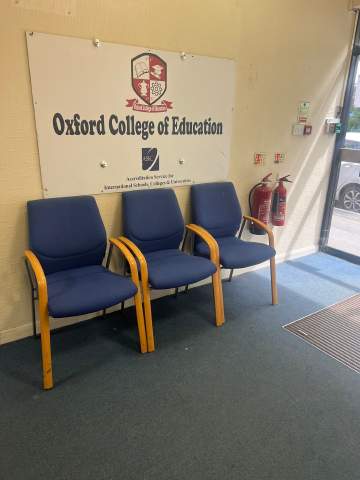
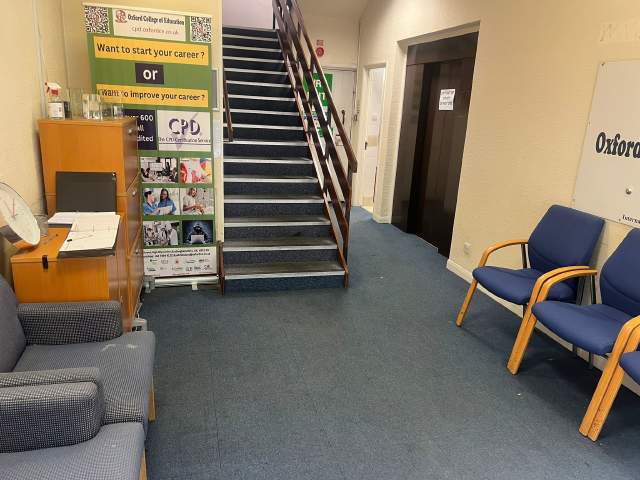
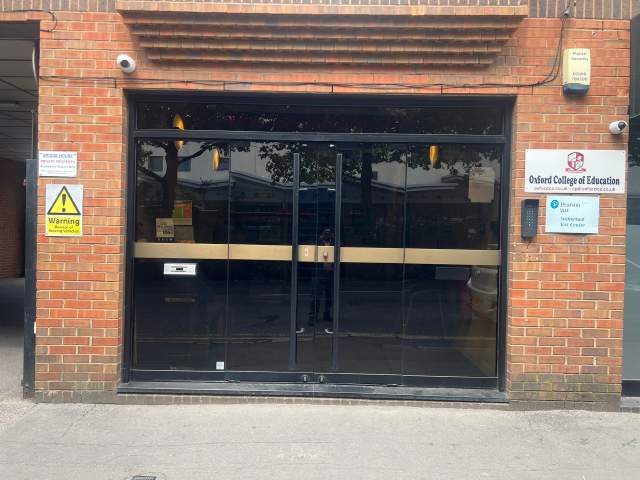
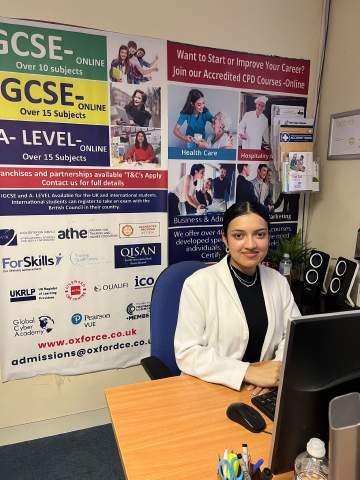
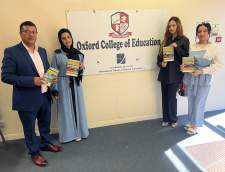
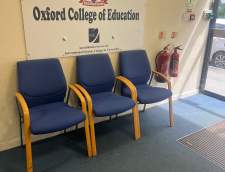
Oxford College of Education Bridge House, 56 Bridge St, High Wycombe, High Wycombe, Buckinghamshire HP11 2EL, UK
Orarul claselor se poate schimba după valabilitate şi anotimp.
Descrierea cursului
(Translated by Google Translate)
Child Psychology
If you work with or aspire to work with children, then having a basic understanding of what drives them is important, especially if you’re an educator. This fascinating course will help you better understand the field of child psychology and teach you everything you’ll need to know, in order to improve your understanding of this exciting area of study.
Through 22 easy-to-follow modules, your enrolled team members will quickly be able to grasp the finer points of the key theories of this field. This online course will help them to understand how the mind changes from infancy to childhood, through adolescence and all the way through the teenage years into early adulthood.
What’s Covered in the Course?
If you or a team member choose to study this course, you can expect to cover the following:
An introduction to the theories of prominent child psychologists and an understanding of how they were developed;
The importance of Piaget’s theory of cognitive development;
The psychological development of a child from infancy through to the teen years;
The physical development from birth through to young adulthood will be studied
The most important influences, including culture, in a child’s social development;
The idea of emotional development and how a child evolves emotionally through adolescence;
The importance that relationships play throughout childhood and how security, support and love are related;
Self-esteem throughout childhood – when it’s considered healthy, when it can be unhealthy and how to build healthy self-esteem in toddlers;
How to identify and deal with behavioural problems and what bad behaviour and conduct disorder is;
An introduction to educational psychology, the study of psychology as it relates to education;
Psychological methods for overcoming learning disabilities;
How nutrition can impact a child’s psychological development, and why a healthy diet is so important;
An explanation of how an individual changes physically, emotionally, behaviourally and cognitively, as they develop into adulthood.
What are the Benefits of the Course?
There are a range of benefits that any team members will gain, after completing this course. These include:
Gaining valuable knowledge that can help to advance your career in psychology;
The ability to study at the time and from the place that works best for you;
Online support and access to the course materials 24/7;
You can download the course materials onto virtually any device;
Gaining an accredited certification for having successfully completed the course.
Modules
Module 1: Introduction to Child Psychology
To understand what you will learn in this course
To learn the definition of child psychology
To learn about the theories of child psychologists
To understand the importance of recognising abnormal behaviour
Module 2 : Child Development Research and Theories
To learn that different theories are used in child development research
To understand how each theory developed
To learn about the similarities and differences between important theories
To begin to understand which theories govern modern practices in child development
Module 3 : An Overview of Cognitive Development
To learn about the first cognitive development theories
To understand Piaget’s theory of cognitive development
To understand the Information-Processing theory
To learn about cognitive development in different life stages
Module 4 : Cognitive Development in the First Year
To learn more about Piaget’s sensorimotor stage
To learn about the sub-stages of the sensorimotor stage
To understand the concept of object permanence
To learn more about adaptation and equilibrium
Module 5 : Cognitive Development in the Toddler and Preschool Years
To learn about the cognitive abilities of toddlers and preschoolers
To understand Piaget’s Theory as it applies to toddlers and preschoolers
To learn about the preoperational stage of cognitive development
To learn about toddlers, preschoolers and memory
Module 6 : Cognitive Development in the Middle Years
To learn how children in the middle years think
To learn about Piaget’s concrete operational stage
To learn about how children’s thinking changes during the concrete operational stage
To learn about intelligence and testing intelligence
Module 7 : Cognitive Development and the Teenage Years
To learn about how cognitive development occurs in the teenage years
To understand how adults can support cognitive development
To understand how cognitive development changes from early to late adolescence
To learn what Piaget theorised about cognitive development
Module 8 : Genetics
To learn more about how genetics and environment work together in development
To learn about genes, chromosomes, and DNA
To understand how the environment might affect genetics
To learn about genetic abnormalities and their effect on development
Module 9 : The Nature/Nurture Debate
To learn about the history of the debate between nature and nurture
To learn about some of the science supporting the nature side
To learn about some of the science supporting the nurture side
To understand that there are discrepancies in both arguments
Module 10 : Physical Development
To learn about physical development from birth to two years old
To understand the physical changes that occur from two to six years old
To learn about what physical changes occur between the ages of seven to 11 years old
To understand physical growth from the ages of 12 to 19
Module 11 : Social Development
To learn about the major influences on a child’s social development
To understand when children begin to understand themselves
To learn how culture can affect a child’s social development
To understand how social value and social development is related
Module 12 : Emotional Development
To learn the definition of emotional development
To learn about the emotional development of a school-aged child
To learn about the emotional development during adolescence
To learn about regulating emotions
Module 13 : Intellectual Development
To learn about brain development and intelligence
To learn how to enhance intellectual development
To learn about various childhood intelligence concepts
To understand the intellectual development of children in middle childhood
Module 14 : Attachment and Relationship Building
To learn about the importance of a child’s early relationships
To understand who the child has their first relationships with
To learn about attachment theory
To understand the relationship between love and support and security
Module 15 : The Role of Separation in Child Development
To learn about the impact of separation and loss on child development in general
To learn about the impact of these things on child development at different ages
To understand how these effects change depending on the age of the child
To understand how to minimise these effects
Module 16 : Language and Communication
To learn about the language milestones from birth through 12 months
To learn about the language milestones from age one to two
To learn about the language milestones from age three to four
To learn about the language milestones from age four to five
Module 17 : Self-Esteem and Confidence
To learn what self-esteem and confidence is
To understand the signs of healthy and unhealthy self-esteem
To learn about methods that improve self-esteem and confidence in children
To learn about building self-esteem in toddlers
Module 18 : Behavioural Problems
To learn about the signs of behavioural problems
To understand bad behaviour and conduct disorder
To learn about the long-term effects of behavioural problems and conduct disorder
To understand the diagnosis of conduct disorder and behaviour issues
Module 19 : Gender Roles and Differences
To learn the difference between sex and gender
To understand how gender identity develops
To learn how children generally express their gender
To understand the concept of non-conforming to gender or being transgender
Module 20 : Education: Schooling, Learning Difficulties and High Intelligence
To learn about the branch of the psychology field called educational psychology
To understand the history of educational psychology
To learn about different perspectives of educational philosophy
To learn about how educational psychology approaches learning difficulties
Module 21 : Health and Nutrition in a Child’s Development
To learn about the research that supports health and nutrition in childhood development
To learn about what nutrition is
To learn why proper nutrition is important
To learn about the negative and positive effects of nutrition
Module 22 : Developing Into Adulthood
To understand physical development into adulthood
To understand how cognitive changes develop into adulthood
To learn about the emotional development into adulthood
To understand about behavioural development as an adult
Nivelul clasei
Toate nivelele, de la începător la avansat
Veţi susţine un test de plasare în prima zi de studiu pentru a determina nivelul cunoştiintelor dumneavoastră. Puteti da, de asemenea, acest test inainte de sosirea dvs. in High Wycombe.
Mărimea clasei
Mediu
12 studenţi
Maxim
15 studenţi
Vârsta studentului
Sfera de vârstă
16 - 35 de ani
Mediu
19 ani
Certificat
Un certificat care atestă finalizarea cursului va fi valabil la sfarşitul cursului.
Citiţi mai mult...
school
Descrierea Şcolii
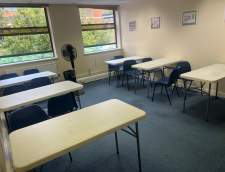
OCE este localizată în inima High Wycombe şi este una dintre cele mai populare şcoli din Regatul Unit. Şcoala este specializată în predarea Engleză studenţilor străini ca tine. Dimensiunea clasei lor este de asemenea foarte mică în comparaţie cu alte şcoli. Ei au, de asemenea, profesori foarte prietenoşi şi membri ai personalului care vor avea grijă de tine în timp ce eşti în High Wycombe.
Anul deschis
2017
Numărul de săli de clasă
6
Acreditări
Facilităţi
Bibliotecă
Ascensoare
Acces pentru scaun cu rotile
Zona de alimentatie
Gratuit la internet
Internet wireless
Calculatoare
Seminarii după clase
Studiu zonă
Audio învăţare
Calificarile Profesorului
Vorbitori nativi de Engleză
Peste 50%
Profesori cu Engleză teaching certification
Peste 50%
Profesori cu diplome de facultate
Peste 50%
Naţionalitate şi amestecuri de vârste
Naţionalitatea şi amestecurile de vârste la Oxford College of Education variază pe anumite perioade de timp, cursuri şi nivele. De-a lungul anului, media de vârstă este 19. Pe timpul verii, media de vârstă este 19.
Vacanţe
OCE nu deţine pe clase de vacanţă datele de mai jos. şcoala nu compensează pentru aceste sărbători, astfel încât asiguraţi-vă că pentru a alege data de începere în mod corect.
date deschise
tot anul
Vacanţe
Nimic
Citiţi mai mult...
photos
Fotografii
Oxford College of Education1/10
Oxford College of Education2/10
Oxford College of Education3/10
Oxford College of Education4/10
Oxford College of Education5/10
Oxford College of Education6/10
Oxford College of Education7/10
Oxford College of Education8/10
Oxford College of Education9/10
Oxford College of Education10/10
visa
Suport pentru Viză
Nu putem aplica vize în numele studenţilor. Cu toate acestea, şcoala poate furniza toate documentele de care aveţi nevoie pentru a sprijini cererea dumneavoastră pentru o viză.
Dacă studiaţi în Marea Britanie de peste 11 luni, veţi primi un număr de referinţă numit Confirmarea de acceptare la studii (CAS), pe care trebuie să o depuneţi la ambasada Marii Britanii, împreună cu cerere de viză General Student. Studenţii care au rezervat cu succes un curs de limbă şi au achitat taxele, vor primi datele de procesare CAS de la OCE. Vă rugăm să reţineţi că legile Regatului Unit prevăd o procesare CAS doar studenţilor ce intenţionează să urmeze studii în limba engleză pentru mai bine de 11 luni.
Dacă studiaţi în Marea Britanie de 11 luni sau mai puţin, va trebui să aplicaţi pentru o viză de vizitator special numită Student Visitor Visa. Ca student vizitator, nu veţi fi capabil să lucraţi part-time în timp ce veţi studia. Dacă aveţi de gând să studiaţi în Marea Britanie timp de 11 luni sau mai puţin, o scrisoare de acceptare va fi trimisă la adresa de acasă, prin poştă, gratuit.
Please note that we do not book flights for our students. If you are researching airfare costs, we recommend using Kayak.com, a search engine that lets you compare flight options from your home country to High Wycombe based on your budget, schedule and preferences.
Asigurare de călătorie
Studiaţi în afară fară griji cu asigurarea personală şi cea de sănătate de la Language International. Atunci când vă închiriaţi un curs la noi, puteţi opta pentru cumpărarea unui plan de asigurare internaţional care nu doar acoperă sănătatea ci şi bunurile personale pierdute. Trebuie să vă rezervaţi asigurarea înainte de a vă înregistra.